
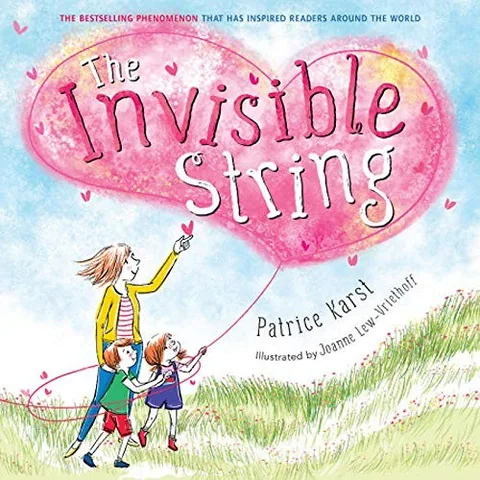
The Invisible String
Ages 3–7
A comforting story about connection and love, even when we are apart.
Spanish edition: El hilo invisible (Little, Brown Books for Young Readers)
Resources
Picture books and novels about feelings, school safety, worry, and grief, and books for parents and other adults. Each one says where to borrow or buy it. Ages are approximate.
These books use simple, reassuring language to help younger children (approx. ages 3–7) understand scary events and manage big feelings.
Ages 3–7
A comforting story about connection and love, even when we are apart.
Spanish edition: El hilo invisible (Little, Brown Books for Young Readers)
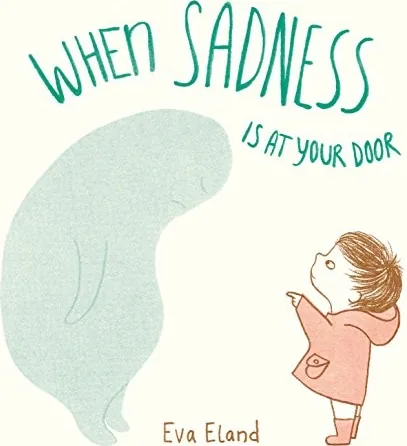
Ages 3–7
A gentle, beautifully illustrated book about big feelings and how to be with them.
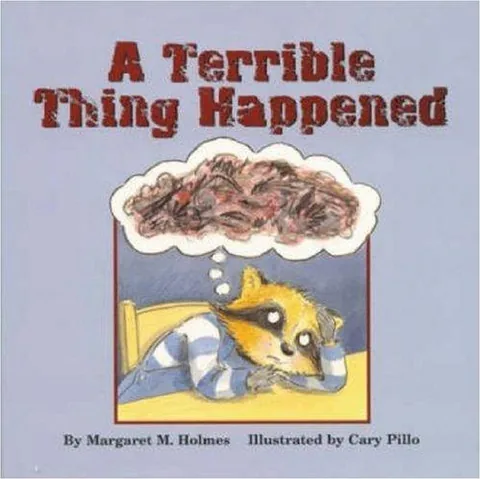
Ages 3–7
A classic, child-friendly story about trauma, feelings, and healing.
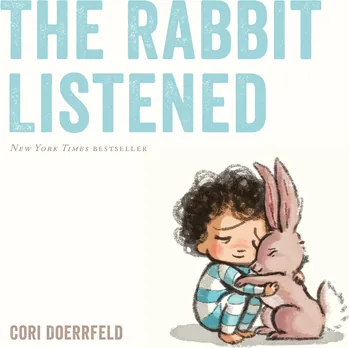
Ages 3–5
When something knocks Taylor's world down, every animal arrives with advice. Only the rabbit stays and listens.
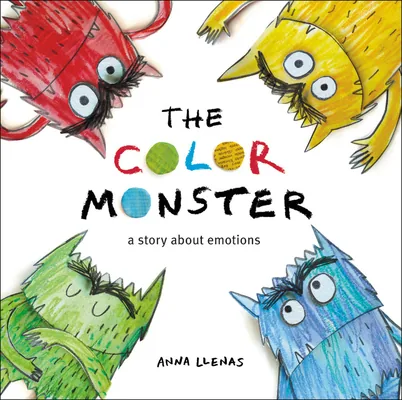
Ages 4–8
The Color Monster wakes up with his feelings all tangled together, and a friend helps him sort them out one color at a time.
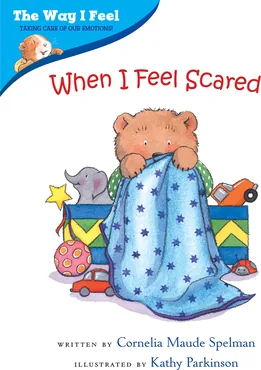
Ages 0–3
A little bear describes being scared, after a bad dream or when a parent goes away, and the things that help him feel better.
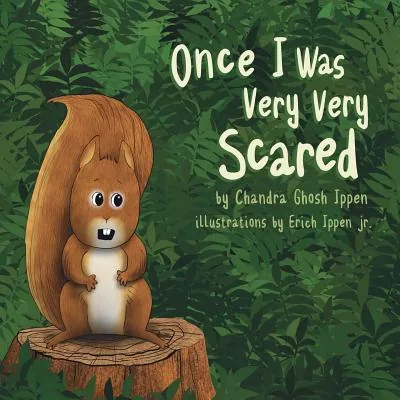
Ages 3–12
A little squirrel finds out he is not the only one who was once very scared, and that each animal shows it differently: hiding, clinging, barking, saying nothing at all.
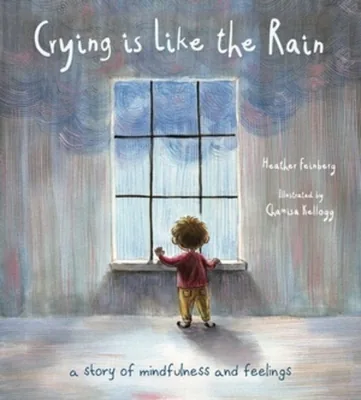
Ages 7–10
A big sister walking to school in a storm explains to her little brother that crying, like rain, comes and passes.
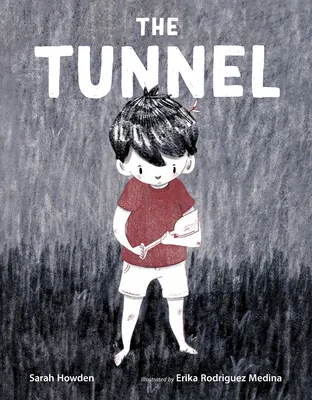
Ages 4–8
After something bad happens, a boy does not want to talk about it. He picks up a shovel and digs instead, and finds his own way back up.
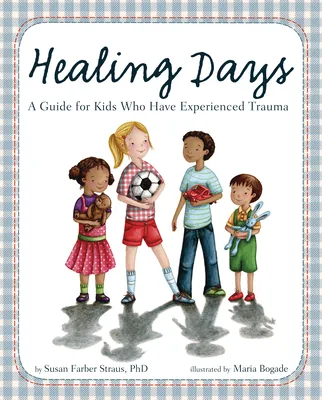
Ages 8–11
For children who have been through something frightening or hurtful: what the feelings afterward are like, and the reminder that brighter days come.
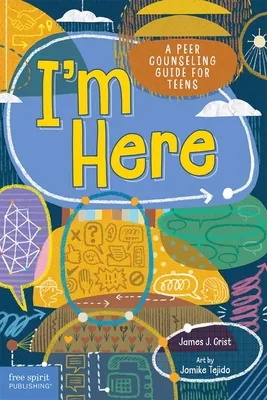
Ages 11–18
A guide for teenagers who want to help a friend who is struggling, including when to bring an adult in.
These books can help children process what happened, ask questions, and feel supported.
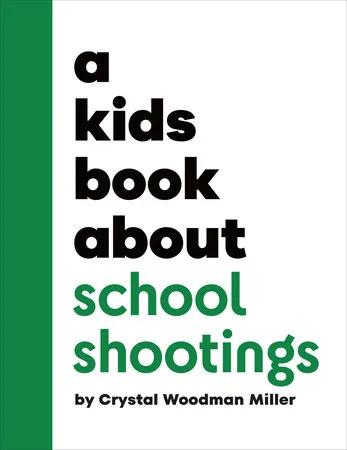
Ages 5–9
By a Columbine survivor and mental health advocate, to help kids and their grownups start conversations about school shootings.
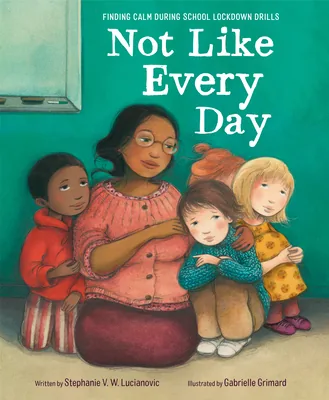
Ages 4–8
Lockdown drills frighten Henry. Staying quiet and still is hard, and his teacher's support helps him stay calm. It closes with notes from a school psychologist and a safety expert.
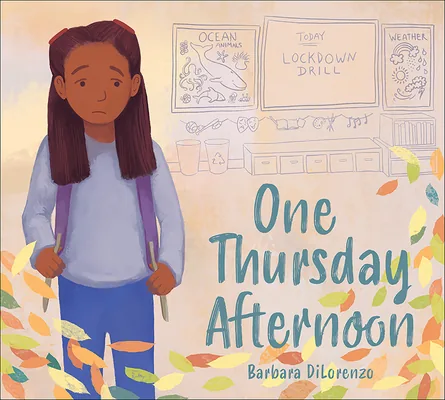
Ages 3–7
Ava is quiet when her granddad picks her up after a lockdown drill. He does not push her to talk; he offers time, art and patience.
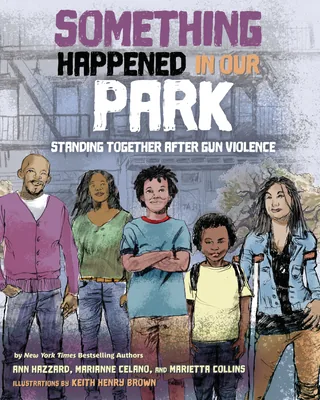
Ages 5–9
When Miles's cousin Keisha is hurt in a shooting, he sees the people around him work out how to care for each other and make their neighborhood safer.
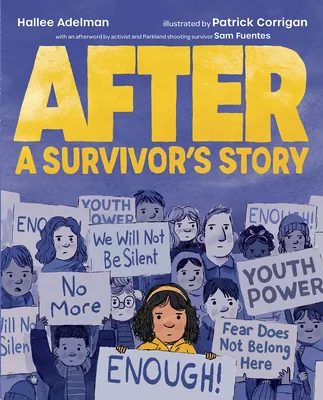
Ages 4–8
After living through what she calls The Horrible Day, a girl cannot get the fear off her skin, and the adults around her were not there. She finds the people who understand.

Ages 8–12
Cora and Quinn were best friends until the day that changed both their families. A novel about loss, healing and the way back to each other.
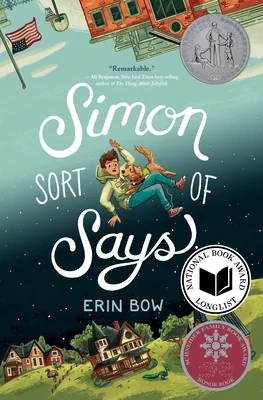
Ages 8–12
Simon moves to a town with no internet, where nobody can look up the story the whole world wants to tell about him. Funny and tender by turns.
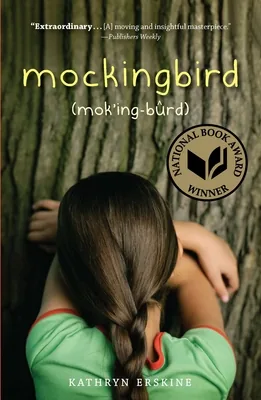
Ages 10 and up
Caitlin is eleven and has Asperger's syndrome. A novel about grief, empathy and a family looking for closure.
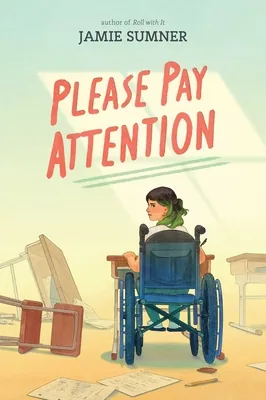
Ages 10 and up
A novel in verse. A girl with cerebral palsy lives through a school shooting and what comes after it, in a world that was not built for her.
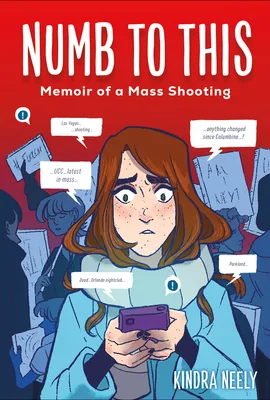
Ages 12 and up
A graphic memoir of surviving a mass shooting and the years that followed, drawn by the woman who lived it.
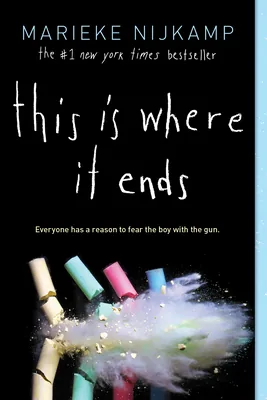
Ages 14–18
A novel that goes through a fictional school shooting minute by minute, told by four students who are there. Hard reading, for older teenagers.
These stories can help children understand anxiety, build coping skills, and feel more in control.
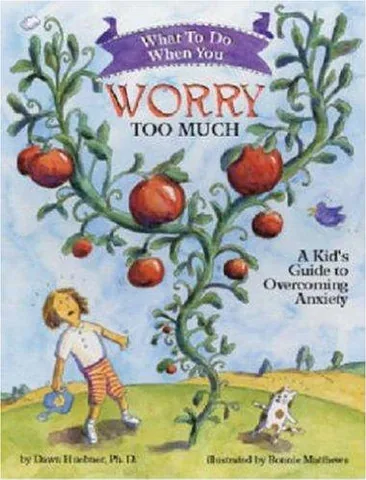
Ages 6–12
A practical, kid-friendly guide to understanding anxiety and learning helpful coping strategies.
Spanish edition: Qué hacer cuando te preocupas demasiado (Magination Press)
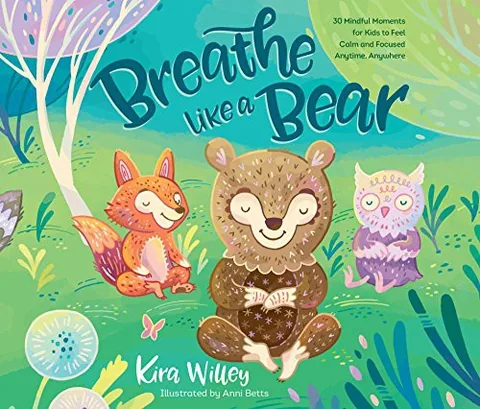
Ages 4–8
A simple and engaging introduction to mindfulness and breathing exercises for children.
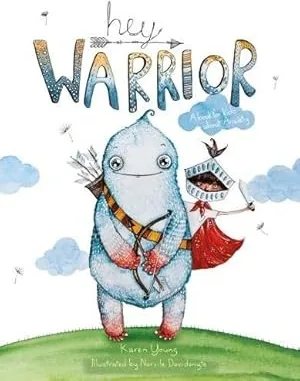
Ages 5–9
A reassuring story about anxiety, building bravery, and finding inner strength.
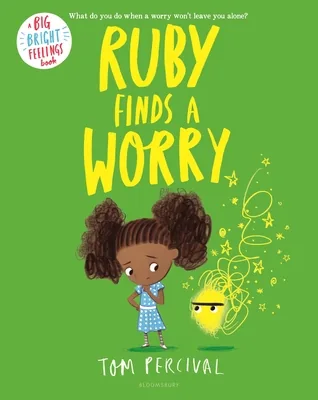
Ages 3–6
Ruby finds a Worry that follows her everywhere and grows bigger the longer she keeps it to herself.
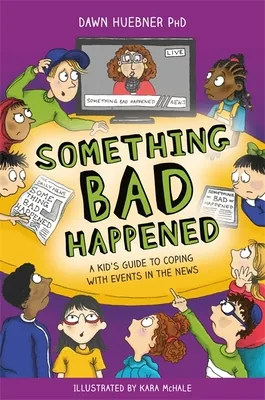
Ages 6–12
For children who have heard something big and bad in the news and whose minds keep asking where it happened, why, and whether it will happen again.
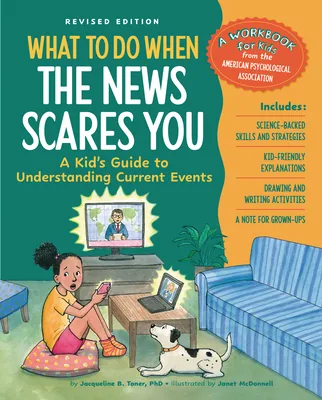
Ages 7–11
A workbook for children who find the news frightening, with ways to understand what they are hearing and what to do with the worry.
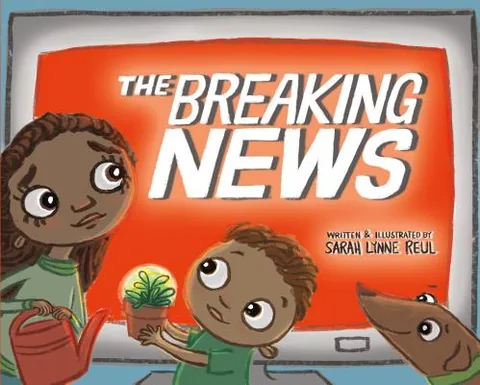
Ages 4–8
When difficult news fills a family's days, a child looks for small ways to help, and finds comfort in kindness close to home.
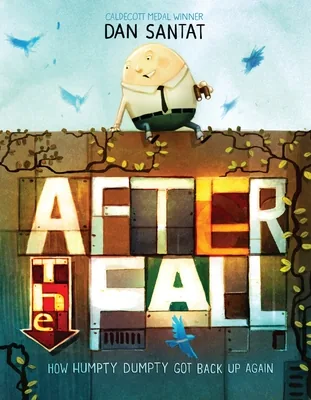
Ages 4–8
What happened to Humpty Dumpty after the fall. A story about the fear that stays afterward, and about climbing back up.
These books can help children make sense of difficult events and feel hope for the future.
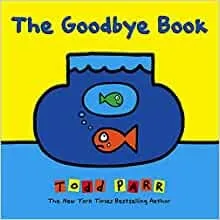
Ages 3–7
A simple, honest book about loss and the many ways we can remember and stay connected to loved ones.
Bilingual edition: The Goodbye Book / El libro del adiós (Little, Brown Books for Young Readers)
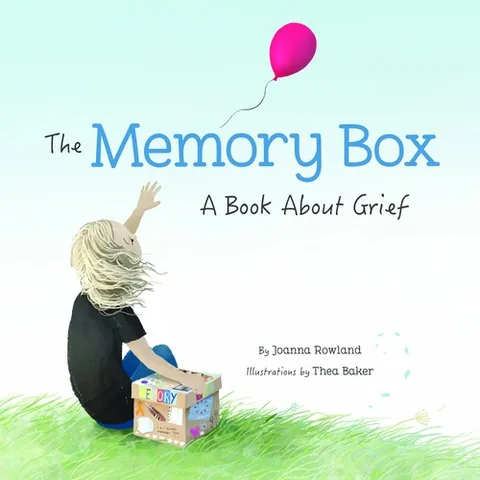
Ages 4–8
A gentle story about grief, memories, and ways to keep loved ones close.
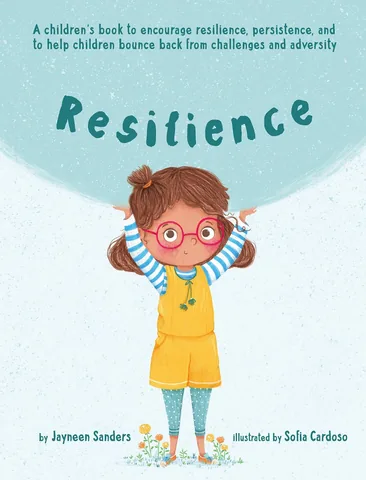
Ages 4–8
Helps children understand that they can experience difficult things and still be strong, capable, and resilient.
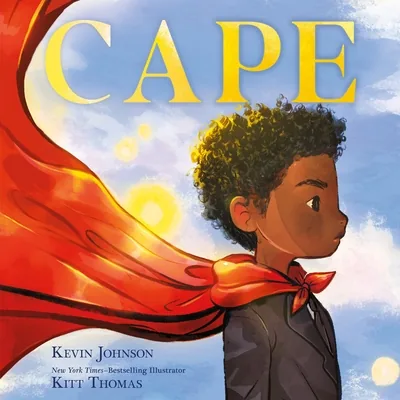
Ages 4–8
A young boy puts on his cape to get through the day he says goodbye to the person he loved most. Even superheroes hurt.
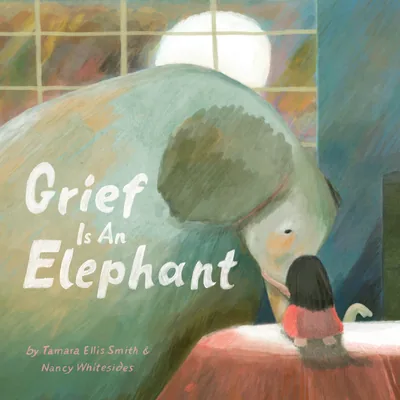
Ages 3–5
Grief arrives as big as an elephant, and over time becomes a deer, a fox, a mouse, and at last a small flickering light.
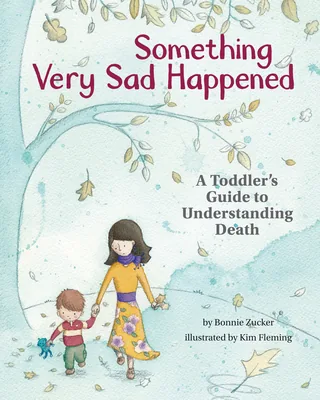
Ages 2–3
Written for two and three year olds: a simple, honest way to understand that someone they love has died, and the feelings that come with it.
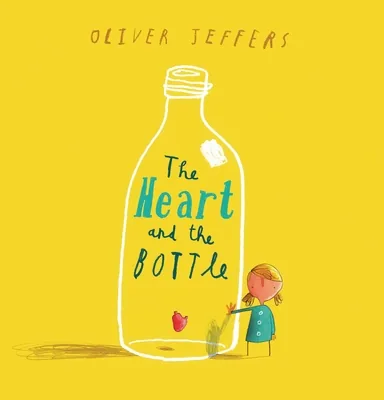
Ages 4–8
A girl puts her heart in a bottle to keep it safe after a loss, and finds that wonder cannot get in either.
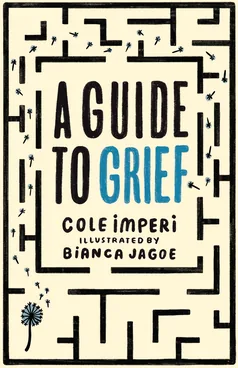
Ages 10–14
A plain guide to death, loss and grieving for young teenagers, including the parts people avoid talking about.
These books are written for grown-ups rather than children: for talking with children about hard things, for your own grief, and for understanding gun violence in this country.
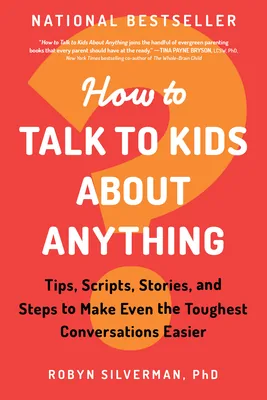
Scripts, stories and steps for the conversations parents freeze on, from death and illness to the questions that arrive without warning.
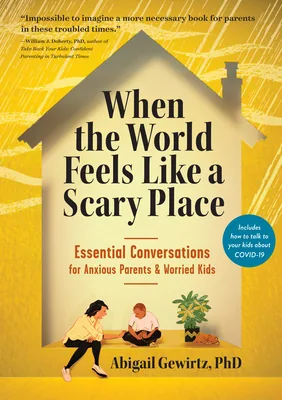
A psychologist's guide for parents to talking with anxious children about frightening events, with conversations set out by age.
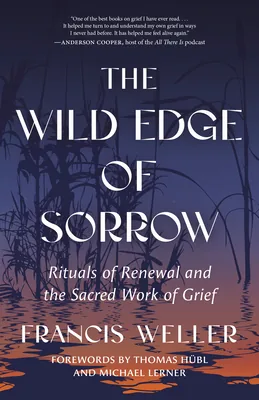
A psychotherapist on grief as something carried together rather than alone, and on the rituals that hold it.